Understanding the difference between a hazard and a risk is at the heart of effective health and safety management. Yet it’s one of the most commonly misunderstood concepts in the workplace.
According to the Health and Safety Executive (HSE), 124 people lost their lives in work-related incidents in 2024/25 — the majority caused by preventable risks such as falls from height, contact with moving machinery, and being struck by vehicles.
So, when does a hazard, something with the potential to cause harm, become a risk? And why does that distinction matter for your organisation?
In this guide, we’ll explain the difference between hazards and risks in simple terms, share practical examples, and show how TSW Training’s IOSH and NEBOSH courses can help your team confidently identify, assess, and control them.
TL;DR – What is the Difference Between Hazard and Risk?
People often use ‘hazard’ and ‘risk’ as if they mean the same thing. However, in health and safety, they’re not interchangeable. Understanding the difference is one of the first steps to managing safety effectively.
According to the Health and Safety Executive (HSE), a hazard is anything that has the potential to cause harm or injury. That could be an object, a substance, a piece of equipment, a task, or even a situation.
A risk, on the other hand, is the chance that the hazard will actually cause harm, together with how severe the outcome could be.
In simple terms:
- Hazard = what could cause harm
- Risk = how likely that harm is to happen, and how bad it could be
What is a Hazard? What is a Hazard In Health And Safety?
Put simply, a hazard is anything that can cause harm or injury. But there are more details to this definition. Because some hazards are more difficult to identify than others, they can be categorised as either acute or chronic.
- Acute hazards: Obvious hazards that pose clear risks. Example: Liquid spillages or uncovered manholes.
- Chronic hazards: More disguised or hidden hazards that could go on to become a risk. Example: Uncomfortable furniture, which could increase the risk of musculoskeletal issues.
When we understand that all hazards can be categorised into one of these two categories, we can begin to define the different types of workplace hazards.
This is where knowing how to complete a risk assessment becomes extremely important.
What is a Hazard in the Workplace?
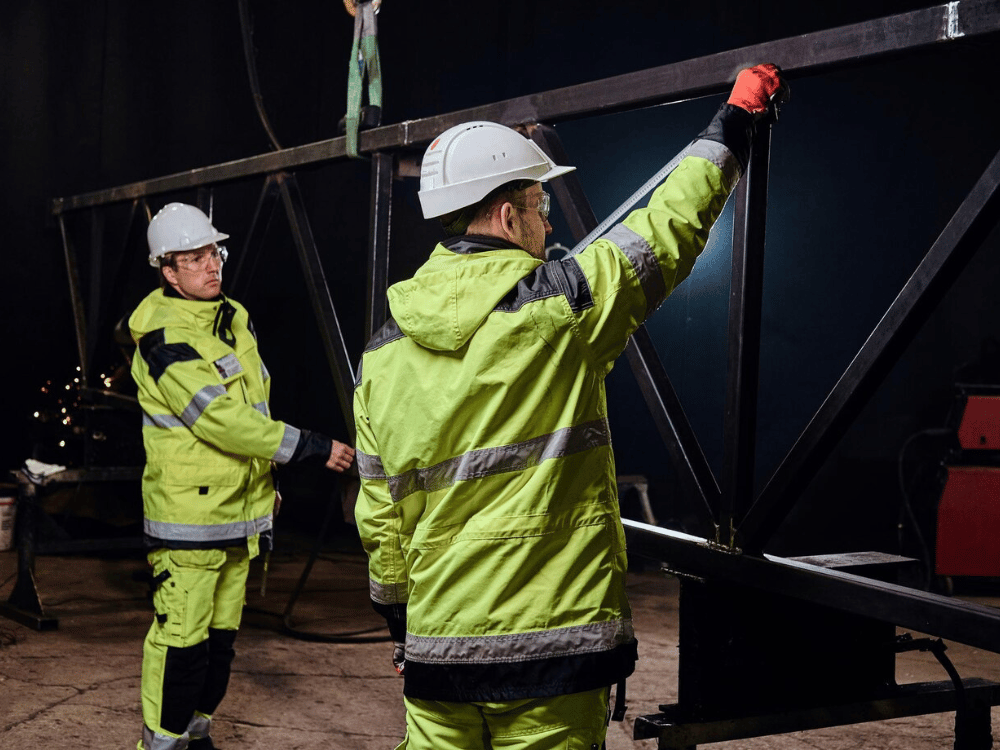
Hazards in the workplace cover a wide range of objects or activities that are found in organisations as part of their day-to-day operations.
Present across all sectors, workplace hazards refer to the items or acts that could cause harm to someone.
From hazardous substances to untidy spaces to items like scaffolding, ladders and electrical wiring, all are examples of hazards that (under certain circumstances) could cause harm.
When hazards like these are identified, they should be controlled as soon as possible.
What are the 5 Main Types of Hazards?
The Health and Safety Executive (HSE) and courses like the IOSH Managing Safely course group categorise hazards into several key categories, each requiring different controls and levels of awareness.
Below, we explore five of the most common types of workplace hazards (physical, biological, chemical, ergonomic and psychosocial) and how they can be recognised and controlled.
1. Physical Hazard
Physical hazards are among the most common risks found across all workplaces, particularly in manufacturing, construction, and engineering sectors. They relate to environmental factors that can cause harm without necessarily touching a person.
Examples include trailing cables, excessive noise, vibration, poor lighting, extreme temperatures, and radiation exposure.
Of course, physical hazards aren’t limited to high-risk industries. They also exist in offices and everyday settings, from wet floors that increase the risk of slips to obstructed walkways that create trip hazards.
Controlling these risks is essential. Health and safety training, regular workplace inspections, and appropriate use of personal protective equipment (PPE) all play a vital role in identifying and reducing exposure to physical hazards.

2. Biological Hazard
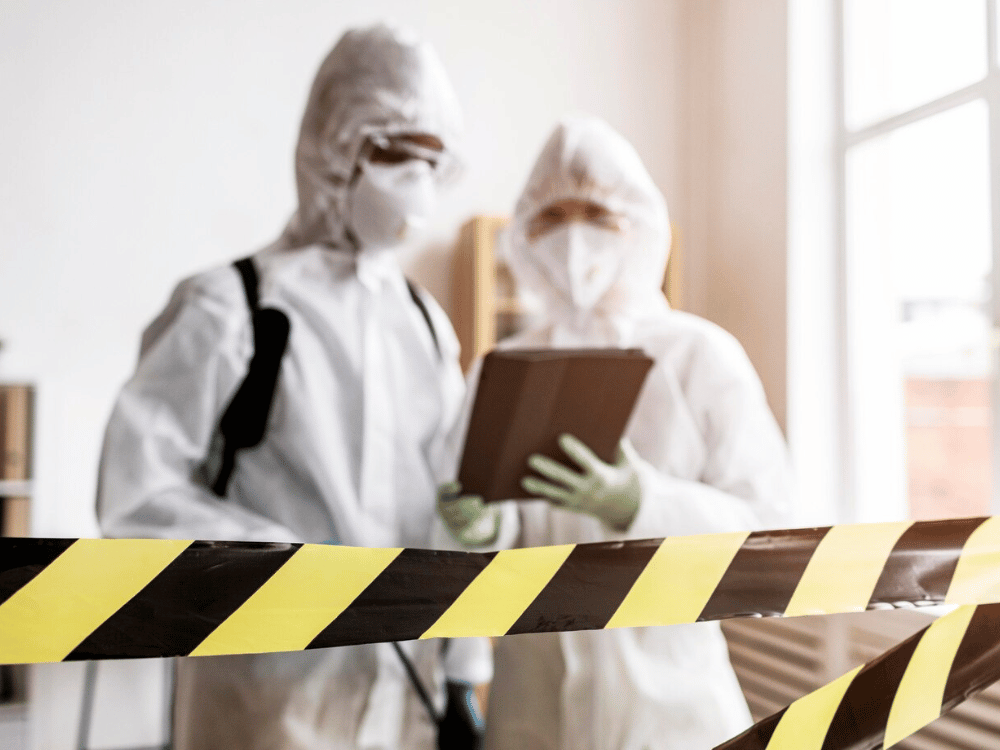
Biological hazards, also known as biohazards, arise from exposure to organisms or substances produced by living things that can cause harm to human health.
They are most common in environments such as kitchens, care homes, laboratories, and healthcare facilities, where there is a higher likelihood of contact with bodily fluids, foodborne bacteria, or infectious materials.
There are four recognised levels of biological hazard, based on the severity of risk to humans:
- Level 1: Agents that pose minimal risk, such as E. coli (non-pathogenic strains).
- Level 2: Pathogens that can cause illness but are unlikely to spread widely, such as Hepatitis B or HIV.
- Level 3: Serious or potentially lethal pathogens that can be transmitted through the air, like Mycobacterium tuberculosis (tuberculosis).
- Level 4: Life-threatening pathogens with no known treatment or cure, such as the Ebola virus.
While biological hazards can pose significant risks, they can be controlled through proper training, PPE, hygiene, and environmental management.
Regular industrial cleaning, correct waste disposal, and a strong commitment to workplace cleanliness all help prevent exposure and reduce the likelihood of infection.
3. Chemical Hazard
A good example of a chemical hazard is asbestos. When left undisturbed, asbestos is relatively harmless.
However, as our Asbestos Awareness Training explains, it becomes a serious health hazard when it’s cut, drilled, or damaged. These actions release microscopic fibres into the air, which can be inhaled deep into the lungs.
Over time, this exposure can cause scarring, inflammation, and life-threatening conditions such as asbestosis, lung cancer, and mesothelioma.
This example highlights how a substance isn’t always dangerous in its normal state. It’s the way it’s handled or disturbed that creates the risk.
4. Ergonomic Hazard
Ergonomic hazards are workplace conditions or activities that can strain the body and lead to musculoskeletal disorders (MSDs). They’re especially common in office, manufacturing, and manual-handling environments where repetitive movements, awkward postures, or poor workstation setups occur.
While lifting and carrying heavy items are well-known causes of back and joint injuries, even seemingly harmless tasks, like sitting at a desk with poor posture or using a poorly positioned keyboard, can lead to long-term discomfort and injury.
According to the latest HSE figures, approximately 543,000 workers experienced work-related musculoskeletal disorders in 2023-2024, underscoring the widespread prevalence of ergonomic hazards in UK workplaces.
The good news? Most ergonomic risks can be mitigated through simple, proactive measures, such as workstation assessments, proper manual handling techniques, and regular breaks for movement.
5. Psychosocial hazards
Psychosocial hazards relate to the way work is designed, organised, and managed — as well as the social context of the workplace. These factors can lead to work-related stress, burnout, anxiety, depression, or reduced job satisfaction if not appropriately managed.
Common psychosocial hazards include:
- Excessive workloads or unrealistic deadlines
- Lack of control over work tasks
- Bullying, harassment, or poor team relationships
- Job insecurity or unclear roles
- Exposure to traumatic incidents (especially in healthcare or emergency services)
Unlike physical or chemical hazards, psychosocial risks don’t cause immediate physical injury, but they can have a profound impact on both mental and physical health over time.
Employers have a duty under health and safety law to assess and manage these risks. Effective control measures include open communication, fair workload distribution, clear management support, and access to mental health resources.
Creating a culture where employees feel valued and supported is one of the most effective ways to prevent harm from psychosocial hazards.
How to Identify a Hazard
Hazard identification is a huge part of risk assessment qualifications, and for good reason.
During workplace observations, you scan the environment for anything that could potentially harm workers, site visitors or customers.
To fully understand this, you will need to observe tasks being carried out, review the quality of equipment and tools being used, and review your site design.

What Is a Risk in the Workplace?
A risk is the likelihood that a hazard will cause harm, combined with the severity of that harm.
In the workplace, this means considering the likelihood of someone being injured or made ill, as well as the potential severity of the outcome.
Understanding risk helps you determine where to focus your health and safety efforts, identifying which hazards require routine monitoring and which require immediate control.
Types of Risk
As you’ll recognise in our IOSH Managing Safely course guide, there are many different types of risk, depending on how they occur, who or what they affect, and how they’re measured.
Below are eight key categories that help organisations recognise and manage risks more effectively:
1. Dynamic Risk
Dynamic risks change frequently — they arise in environments that are constantly evolving, such as construction sites or care visits to new locations.
To manage them, professionals often carry out Dynamic Risk Assessments, which are flexible, on-the-spot reviews that identify and control hazards as conditions change.
Example: A care worker entering a new client’s home or a contractor beginning work on an unfamiliar site.
2. Static Risk
Static risks remain fixed and don’t change over time. They often relate to an individual’s history or a past event.
Example: An employee’s experience of workplace violence may represent an ongoing static risk factor that needs to be considered in future placements or environments.
3. Fundamental Risk
Fundamental risks are large-scale, unavoidable events that can impact vast populations. These are typically beyond individual or organisational control.
Examples: Natural disasters, pandemics, or widespread economic crises.
4. Particular Risk
In contrast, particular risks affect individuals or specific groups, rather than society as a whole.
Examples: Workplace theft, targeted vandalism, or injury caused by a single unsafe act.
5. Subjective Risk
Subjective risk is based on personal perception and experience. Different people may view the same situation with varying levels of concern depending on familiarity, confidence, or personal resilience.
Example: An experienced machine operator may view a task as low-risk, whereas a new employee may see it as high-risk.
Similarly, a child might see an icy pavement as fun to slide on, while an older adult perceives it as dangerous due to a higher chance of serious injury.
6. Objective Risk
Objective risk is based on measurable data and evidence rather than perception. It’s often quantified using statistics, research, or historical trends.
Example: Meteorological data indicate a low probability of earthquakes in the UK compared to a higher likelihood in Japan or the Caribbean.
7. Financial Risk
Financial risks involve potential monetary losses due to external or internal factors. According to Investopedia, they generally fall into four categories:
- Market risk: Changes in economic conditions or consumer behaviour.
- Credit risk: The possibility that a customer or supplier fails to meet payment terms.
- Liquidity risk: Difficulty turning assets into cash when needed.
- Operational risk: Internal issues, including staffing shortages, fraud, or system failures.
8. Non-Financial Risk
Non-financial risks don’t directly involve money but can still impact an organisation’s reputation, compliance, or operations.
Examples: Supply chain failures, data breaches, poor regulatory compliance, or negative customer reviews.
Although these risks may not show up on a balance sheet, they can still have serious long-term financial and reputational consequences if not managed effectively.
How to Determine the Risk Level
Once hazards have been identified, the next step is to decide how serious each one is — and that’s where a risk matrix comes in.
A key tool taught in the IOSH Managing Safely course is the 5×5 risk matrix, which helps you assess both:
- The likelihood that the hazard will cause harm, and
- The severity of the harm if it does occur.
The matrix employs a simple scoring system, typically ranging from 1 (very unlikely) to 5 (very likely) for likelihood and from 1 (insignificant) to 5 (severe) for severity.
By multiplying these two numbers together, you calculate a risk rating that indicates the urgency of your control measures.
| Likelihood | Severity | Example Outcome |
|---|---|---|
| 1 – Very unlikely | 1 – Insignificant | Negligible risk |
| 3 – Possible | 3 – Moderate | Needs monitoring |
| 5 – Very likely | 5 – Severe | Requires immediate action |
This method provides a clear and consistent way to prioritise hazards, distinguishing between those that require routine monitoring and those that demand immediate control or elimination.
By using the matrix alongside your team’s insights and observations, you can make informed, evidence-based decisions to keep everyone safe.
What are Some Examples of Hazards and Risks?
To make the difference between a hazard and a risk easier to understand, here are a few everyday examples that show how the two relate:
| Hazard | Risk |
| A shark in the water. | The likelihood of being bitten if you choose to swim in the sea. |
| A heavy box that needs to be moved. | The possibility of injuring your back or muscles if you lift the box incorrectly. |
| Raw or undercooked eggs. | Contracting salmonella if the eggs are not cooked thoroughly. |
| Petrol (A flammable liquid) | The danger of fire or explosion if you refuel a car while smoking. |
| Snow and ice on the road. | The increased chance of losing control and crashing when driving in a snowstorm. |
The 5 Key Differences Between Hazards and Risks
Understanding how hazards and risks differ helps you assess situations more accurately and take the right preventive action. Here are five key distinctions:
Definition
Hazard: The potential source of harm; what could cause injury, illness, or damage?
Risk: The likelihood and severity of that harm actually occurring.
Example: Electricity is a hazard; the risk is getting an electric shock if equipment is faulty or misused.
Existence vs. Exposure
Hazards exist whether anyone is exposed or not; they’re just there.
Risk depends on exposure and circumstances. The more you’re exposed to the hazard, the higher the risk.
Example: A spill on the floor is a hazard. The risk increases when people walk through the area.
Nature and Scope
Hazards can be physical (such as noise and machinery), chemical (including cleaning agents), biological (like bacteria), ergonomic (including poor posture), or psychosocial (such as stress).
Risks describe how those hazards might cause harm, which could include physical injury, ill health, financial loss, or reputational damage.
Visibility and Perception
Hazards aren’t always obvious. Invisible gases, long-term exposure to noise, or poor workstation design can still pose significant dangers.
Risks are identified through understanding how people interact with those hazards; the task, frequency, and control measures all play a role.
Management Approach
Identifying hazards involves observation, inspection, and testing.
Managing risk involves evaluating, prioritising, and controlling those hazards to reduce the chance or severity of harm.
Example: Identifying a trailing cable as a trip hazard is the first step; putting it away safely or using cable covers is managing the risk.
What About Vulnerability?
Vulnerability is a prominent aspect in risk perception, particularly with regard to dynamic and subjective risks.
As we alluded to earlier in the icy sidewalk analogy, a child may be less concerned about the risks of sliding on ice. However, an older person may be more vulnerable to severe risks when encountering the same hazard.
Bottom Line
While hazards and risks are closely related, it’s essential to recognise the differences between them. Understanding these distinctions is crucial for maintaining a safe workplace.
Training your staff in the latest health and safety standards is an essential step in ensuring they understand those differences.
Our IOSH Managing Safely course provides an excellent opportunity to enhance your management team’s knowledge of safety practices, with a focus on hazard identification, risk assessment, and control.