Emotional Intelligence (EI) has been around for a couple of decades and is well established. But that doesn’t mean that its theoretical development has stood still all this time.
Professor Marc Brackett, founder of the Yale Centre for Emotional Intelligence, offers a relatively new tool to help you improve your Emotional Intelligence in his 2019 book, Permission to Feel, where he puts forward his RULER method.
In this article, we’ll look at what it is, how it relates to emotional intelligence and how you can use it to improve yourself and your workplace.
What is RULER?
RULER is an acronym for the five skills of emotional intelligence: recognising, understanding, labelling, expressing, and regulating.
Recognising
This is the first step of the RULER method. It’s all about being aware of indicators that allow us to understand how we and others might be feeling.
Things to look out for are:
- Body language: crossed arms, tense shoulders or open hands
- Vocal tone: high-pitched, smooth voice or staccato sentences
- Facial expressions: like raised eyebrows, relaxed jaw, or narrowed eyes
Brackett attributes ratings to your emotional state, based on these indicators.
You can be:
- High energy, high pleasantness: sociable and friendly
- Low energy, high pleasantness: calm and happy
- High energy, low pleasantness: angry and aggressive
- Low energy, low pleasantness: depressed and moody
*For example, a colleague might be clenching their jaw and speaking with a blunt tone. This could indicate they’re annoyed or frustrated.
Once you can acknowledge your own feelings, you’ll get better at recognising other people’s emotions because you’re not projecting your own onto them.
Understanding
Understanding emotions means recognising the causes and effects of those feelings. This can help you relate to people from diverse backgrounds by acknowledging that not everyone reacts the same way.
Once you’ve figured out what rating applies to your emotional state, you’ll be able to consider the reasons why. Facing reality like this isn’t easy, but you can ask yourself questions like “what was happening when these feelings started?” and “is there something that’s happened which could be connected?”
When you ask these questions and explore the whys, you’ll be forced to look at your and other people’s emotions from a different perspective, which can help you get clarity and understanding.
*That colleague who was clenching their jaw? You remember that they’d just left a budget meeting, so whatever was discussed there could be the cause of their frustration.
Labelling
Now that you’ve recognised the feelings and pinpointed the cause, it’s a good idea to give these feelings a specific name so you can communicate them more effectively and prevent misunderstandings.
You might find that you struggle to name your feelings sometimes, which is pretty standard, as most people don’t have a vast emotional vocabulary. But it’s essential to get it right, as being angry is very different to being frustrated or annoyed.
*If you’re not sure how to attribute a person’s emotions, you can use tools like an emotion wheel to help you.
Expressing
You recognised, understood, and labelled your emotions. Now what? The next step is to express how you feel appropriately.
If your workplace has a healthy culture, you should feel comfortable expressing your feelings. It’s up to you to decide what – if anything – you want to share about your emotions. It requires vulnerability and strong social skills, so only do so if you want to.
It’s also important to know when it’s appropriate to share your feelings.
For example, the colleague who’s frustrated? If they started ranting in the middle of the budget meeting, it would be challenging to have a sensible conversation with them, not to mention how awkward it could make everyone feel.
But they could speak with their manager or team leader. Or if you’ve noticed how they’re feeling, you could ask them if they’re alright and whether they’d like someone to talk to, if you have that kind of rapport.
*Expressing your feelings requires empathy to understand the impact your emotions might have on others. It’s about finding the balance between being yourself without negatively affecting others.
Regulating
This can be the trickiest aspect of the RULER method, as it involves modulating your own emotions and helping others do the same. Regulating means to rein in your emotions when they become overwhelming and to transition between emotional states.
Back to our example with the frustrated colleague. If they could regulate their emotions, you’d likely have never noticed a change in their tone or body language. They might instead be projecting a totally different emotion, like pensiveness as they channel their frustration into thinking of ways to overcome the cause of it.
How is RULER linked to Emotional Intelligence?
RULER is a tool you can use to help you, your team and your organisation become more emotionally intelligent.
Emotional Intelligence is the ability to understand and manage your own and others’ thoughts and feelings.
As you can see below, the RULER method aligns almost perfectly with the five elements of EI, which makes it a handy tool to help you improve your Emotional Intelligence.
| RULER | Emotional Intelligence | Meaning | Result |
| Recognise | Self-awareness | Acknowledge the emotion | Employees are more mindful and perceptive |
| Understanding | Motivation | Work out why it’s being felt | Staff are more accepting and reflective |
| Labelling | Social skills and empathy | Being able to appropriately name and explain the emotion | Your team will benefit from stronger relationships and improved communication |
| Expressing | Social skills / Communication | Express emotions appropriately in context and communicate feelings clearly and constructively | Clearer expectations, better collaboration and increased trust |
| Regulation | Self-regulation | Manage the emotion | Improves mental health and well-being |
Can the RULER method be applied to leadership?
Absolutely. As we’ve seen, the RULER method and Emotional Intelligence are closely linked. They both will make for an inclusive and positive culture, and the RULER method will help improve the following EI skills for your team:
- Communication
- Understanding
- Relationships
- Morale
- Efficiency
How can RULER be used to improve Emotional Intelligence?
Building EI won’t happen overnight, and it’s an ongoing process. Let’s look at a few ways you can use the RULER method to boost your Emotional Intelligence and become a better leader.
To get started, you could create a Mood Metre. It’s a quick way to visualise and identify how you’re feeling, which is the first step when using the RULER tool to improve your EI.
To create a Mood Metre, draw a graph with the horizontal axis labelled “pleasantness”. Put “pleasant” as the top value and “unpleasant” as the bottom value.
Next, label the vertical axis “energy” and scale it from high to low. You can then plot your emotions onto the Mood Metre to help you recognise your feelings.
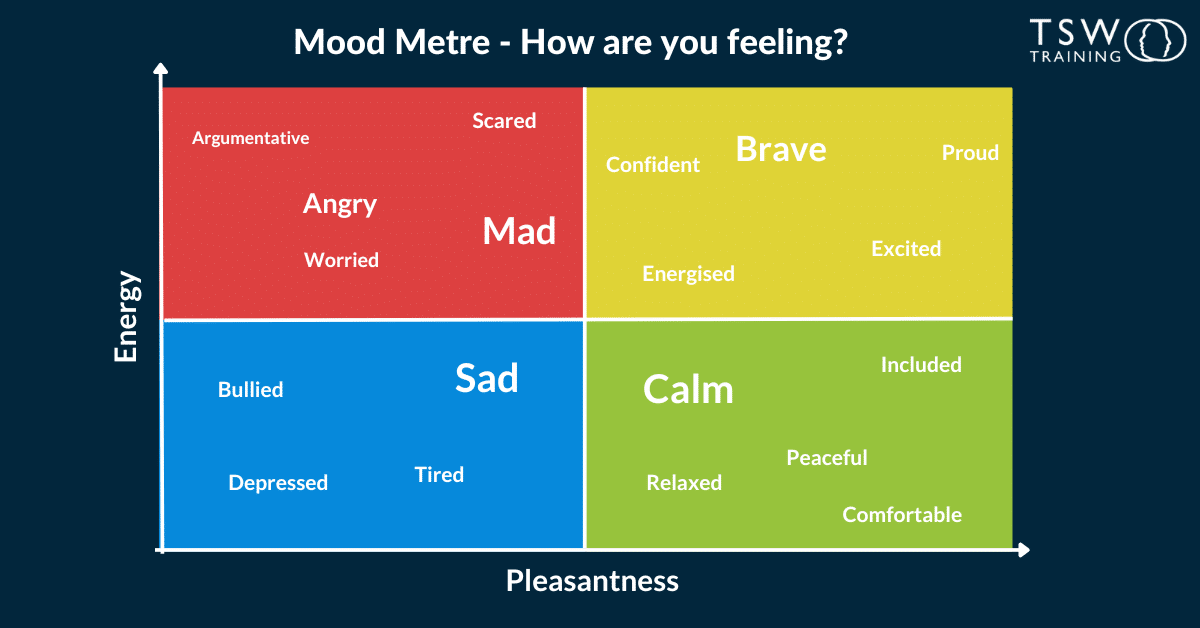
Fig.1. The Mood metre diagram – How are you feeling?
Brackett recommends a few more ways you can work on your emotional intelligence:
- Mindful breathing: focusing on your breath as it enters and leaves your body. This can help you step back before strong emotions take over.
- Forward-looking strategies: anticipating how you’ll feel in certain situations and making a plan to lower the emotional impact
- Attention shifting: finding something else to focus on. Best for minor annoyances; otherwise, it can be tempting to avoid your emotions altogether.
- Cognitive reframing: looking at a situation from a different perspective. So “I’m fed up with this situation” becomes “how can I find a better outcome?”
- Meta Moments: taking time to pause before reacting. This could be counting to 5 in your head, or going for a walk to clear your head.
You can watch Marc Brackett talk more about ways to improve emotional intelligence below: